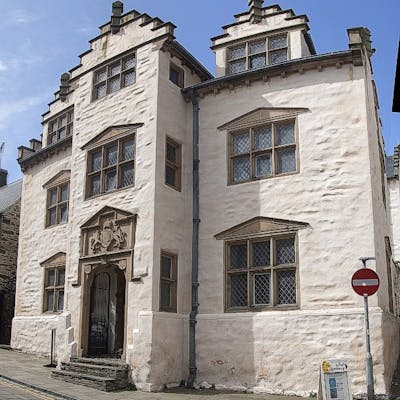
Plas Mawr, Conwy
Plas Mawr, or the Great Hall, is said to be the finest surviving Elizabethan town house anywhere in Britain.
Bringing a little colour to your life each day - with six things that delight, inform and entertain.
Plas Mawr, or the Great Hall, is said to be the finest surviving Elizabethan town house anywhere in Britain.
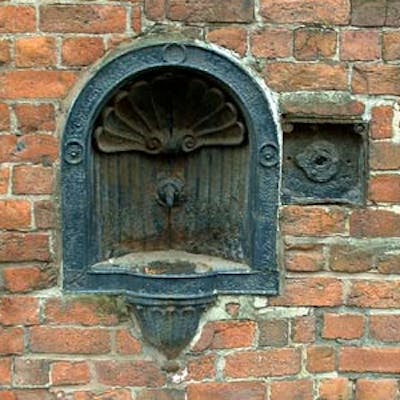
The first free drinking fountains in Britain were installed in Liverpool in the 1850s by Anglo-Swiss cotton merchant Charles Pierre Melly. Soon other cities, including London, were following his lead. Between 1750 and 1900 the population of Great Britain increased four and half times from 9 million to 41 million.
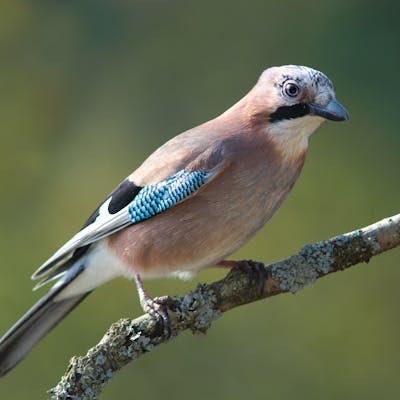
The most colourful members of the crow family, jays are noisy and flamboyant, though much shyer than the other crows. They are woodland birds, rarely moving far from the cover of trees, and therefore less seen for their attractive plumage than the other mostly black crows.
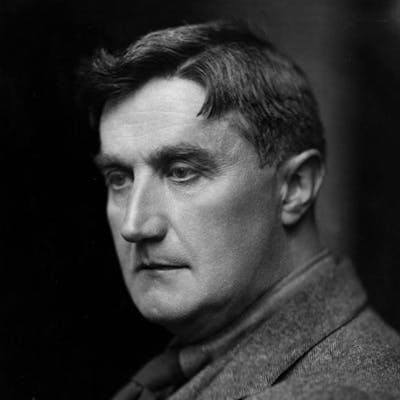
Ralph Vaughan Williams was an English composer, born in 1872. Much of his music is evocative of the English countryside. His best known and much loved compositions include "The Lark Ascending", "Fantasia on Greensleeves" and "Fantasia on a Theme by Thomas Tallis". These regularly top public choices of classical music favourites in Britain.
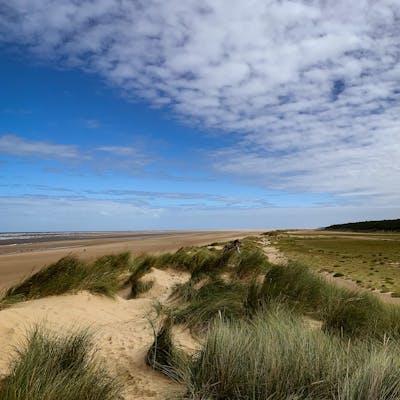
Holkham National Nature Reserve on the Norfolk coast is England's largest national nature reserve. It has a wide range of habitats, but the amazing sand dunes are the most prominent feature.
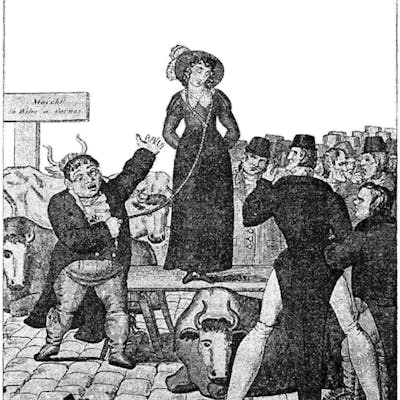
Anyone who has read Thomas Hardy's novel "The Mayor of Casterbridge" will remember the pivotal early scene where a young labourer, unable to find farm work at an agricultural fair, gets drunk and auctions off his wife and baby. Did the "common folk" really sell their wives like cattle?
Six things to delight and entertain you every day.