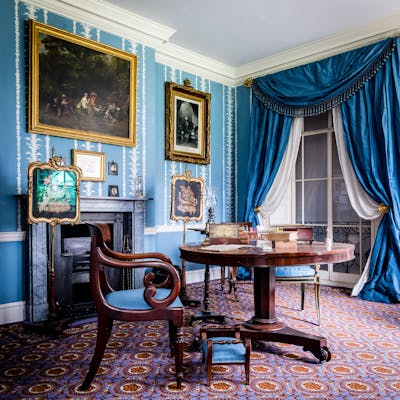
The Museum of the Home - see interiors change through the ages
The Museum of the Home, based in Hoxton, London, has recently been redeveloped to allow more of its rich collection of domestic furnishings through British history to be displayed.

Bringing a little colour to your life each day - with six things that delight, inform and entertain.
The Museum of the Home, based in Hoxton, London, has recently been redeveloped to allow more of its rich collection of domestic furnishings through British history to be displayed.

Anyone wishing to escape the rat race and embrace a rural idyll should, perhaps, forget any thoughts of buying Stott Hall Farm in West Yorkshire. This unique property sits in the middle of the M62 motorway!

Gorse is a tough prickly yellow-flowered shrub of the pea family, popularly associated with the wild windy landscapes of open moors around Britain. But it can be found in many habitats, from heaths and coastal grasslands to town verges, parks and gardens. It moat commonly comes into flower early in the year, but varieties may blossom throughout the year.
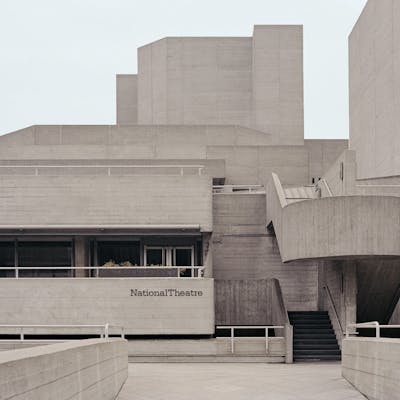
The National Theatre, situated in London’s South Bank arts complex, is one of Britain’s most iconic examples of Brutalist architecture. Built in 1976, it consists of a layered concrete landscape that Prince Charles has described as being like a ‘nuclear power station’.
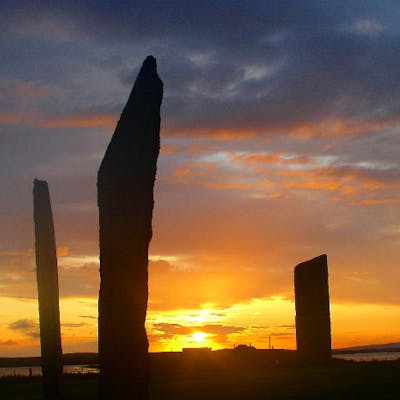
The Standing Stones of Stenness, in the Orkney Islands, are reckoned to be the oldest of Britain's many Neolithic stone monuments. The purpose of the structure remains unknown.
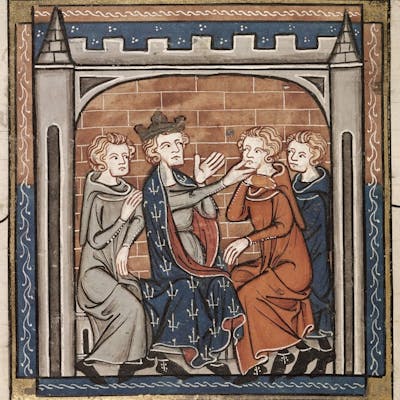
The disease scrofula is not heard of today, but appears in European history, first mentioned by Herodotus in 400 BC. It was also known as the "King's Evil" because many European monarchs claimed to be able to heal the disease by the power of their touch.
Six things to delight and entertain you every day.